Purchase-decision evidence
Bus Electric Specification Verification
FuelCell Transit Desk helps US business buyers compare powertrain, energy and charging assumptions across candidate Chinese original manufacturers. This is independent sourcing support, not a statement that every factory, model or document is suitable for the US market.
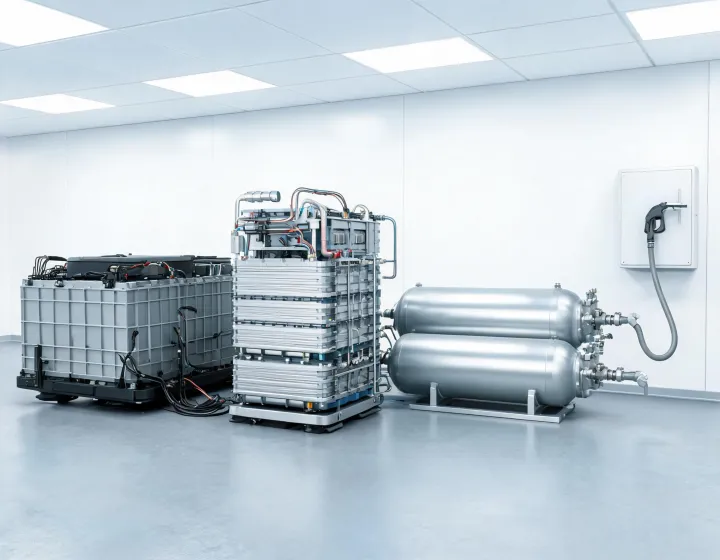
Configuration matrix
Powertrain Fields to Put on Every Factory RFQ
Power input
Request traction motor output, inverter identification, fuel-cell stack rating, hydrogen storage pressure and capacity, tank arrangement, buffer-battery nominal and usable energy, thermal management and stated protection boundaries. Ask whether published figures apply to the priced body and model year.
Duty basis
Provide curb and expected operating mass, passenger load, route speed, grade, stop frequency, daily distance, ambient temperature, HVAC use and reserve requirement. Any range response should state the test or calculation conditions and usable energy assumption.
Energy and service
Define refueling pressure and nozzle standard, station capacity, fueling window, hydrogen quality requirements, buffer-battery charging provisions and communication requirements, remote diagnostics, service tools, training, spares and responsibility for depot engineering. Vehicle and site scopes should not be conflated.
Powertrain Choices and Procurement Trade-offs
Hydrogen storage versus payload and package space
A larger hydrogen storage system may extend operating reserve, but it can increase mass, package demand, procurement cost and station requirements. Compare options against route simulation inputs, passenger capacity, GVWR and depot power rather than treating maximum capacity as automatically preferable.
Refueling speed versus station capability
Shorter refueling dwell may require station capacity, pressure recovery and dispenser availability that the destination site cannot support. Confirm pressure, nozzle interface, fueling protocol, hydrogen quality, ambient limits, dispenser count and site responsibility before comparing proposals.
Catalog range versus route evidence
Test-cycle range can be useful for screening, but speed, grade, stops, payload, HVAC, hydrogen storage, stack operation, buffer-battery state and temperature change field results. Request conditions behind the claim and plan a destination-appropriate validation path where the duty is critical.
Start with a powertrain specification, route profile or reference vehicle
Include quantity, destination, passenger configuration, usable-energy requirement, charger interface, operating assumptions and the exact-model documents that need review. We will organize questions for comparable factory responses; final suitability remains subject to buyer and destination-side verification.
Share Powertrain Requirements